It’s not you, it’s the lighting
Lighting is one of those things that people only notice when it’s wrong. Too harsh and your home starts feeling like a hospital. Too dim and you’re suddenly permanently living in what feels like 9.26pm, squinting at your latest romance novel while drinking your morning coffee.
Lighting is quietly the MVP of your home. It shapes how a space looks, but more importantly, it affects how you feel and function in it. And no, fixing it doesn't necessarily mean installing seventeen new downlights.
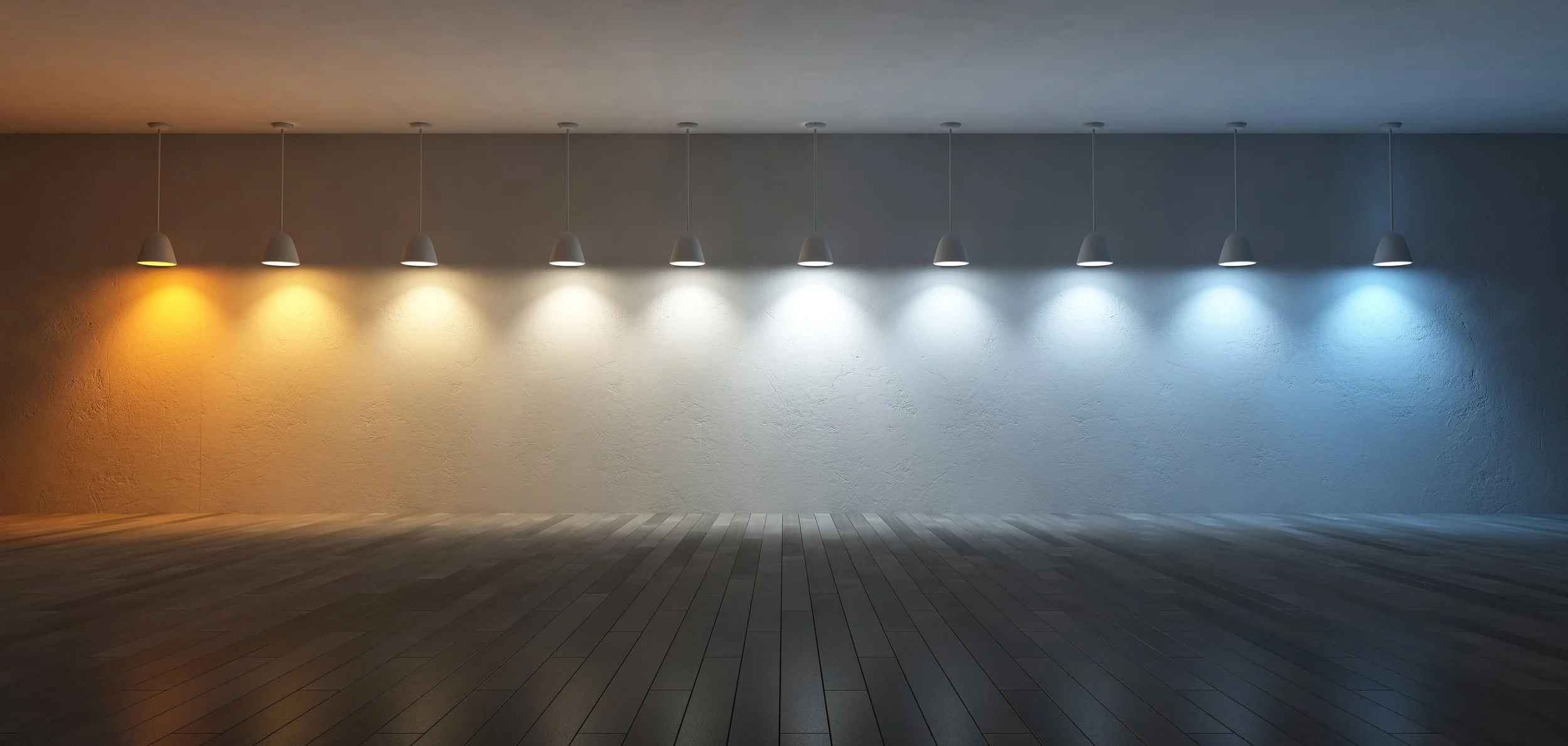
Lighting is measured in Kelvins. Kelvins tell us whether your lighting is feeling cosy or ready for a board meeting.
Start with the light you already have
Natural light is the obvious starting point, but it is surprisingly easy to underuse. Morning light can influence energy, mood, productivity and sleeping patterns, which means where you place your desk, sofa or bed can matter more than you think. If your desk is hiding in a dark corner of your home office, your productivity probably is too.
Sorry. But also not sorry.
Before adding artificial lighting, look at what the sun is already doing throughout the day. Which rooms get beautiful morning light? Where does the afternoon sun hit? Which spaces become dark surprisingly early?
Good interior design works with those patterns rather than fighting them.
Then there’s artificial lighting
You know the look.
A sea of downlights across the ceiling, all set to cool daylight, and suddenly your beautiful living room feels like a waiting room for a medical appointment no one booked. The problem isn't downlights themselves. It's relying on one type of light to do absolutely everything.
Your kitchen needs good task lighting. Your bedside table needs something softer. Your artwork might benefit from accent lighting. Your living room needs to be able to shift gears from afternoon coffee to dinner to pretending you're going to bed early.
This is where colour temperature comes into play. Cooler light can feel crisp, bright and energising. Warmer light tends to feel softer, calmer and more relaxing.
There isn't one magic colour temperature for your entire home. The right choice depends on the room, the time of day and what you actually do there. Because your kitchen bench and your bedside table probably don't have the same job.
Layer your lighting
This is where lighting design gets interesting. The difference between a flat, lifeless space and one that feels intentional is often more than one light source.
There are three basic layers:
+ Ambient lighting - provides the general illumination in a room.
+ Task lighting - helps you actually do things, whether that's chopping vegetables, reading, working or applying makeup without accidentally creating a new face.
+ Accent lighting - draws attention to things you want to highlight, such as artwork, architectural details, shelving or a beautiful material.
It sounds technical, but the concept is pretty simple. Your home shouldn't rely on one sad overhead light bulb doing all the emotional heavy lifting. Instead, think about how you want to use the room and give yourself options.
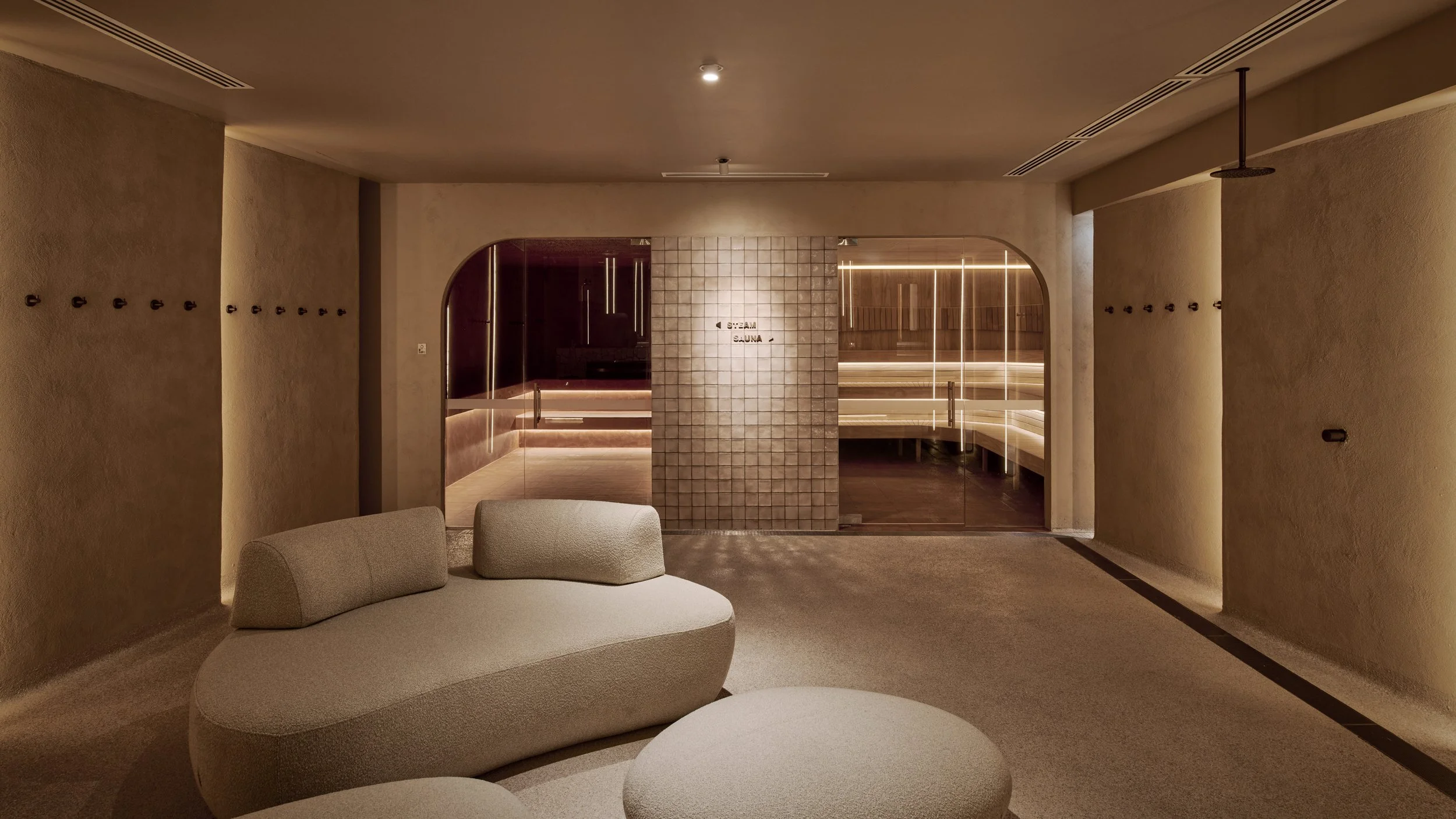
Lighting changes how your home feels
Lighting doesn't just change what you can see. It changes how you perceive a space. A bright, evenly lit room can feel energising and functional. Softer, warmer lighting can make the same room feel calmer and more intimate.
And this matters because your home isn't used the same way from 8am to 10pm.
Your kitchen might be a breakfast station in the morning, a work zone at lunchtime and the place everyone gathers around the island at night. Your living room might go from kids' homework and emails to dinner and a movie.
Your lighting needs to keep up.
Lighting can influence how you behave
Lighting also quietly influences your behaviour.
Bright, focused light nudges you into doing mode. Answering emails. Making lists. Getting things done. Being suspiciously productive before you've even had your second coffee.
Softer light has a different agenda. It tells your brain that it's allowed to stop performing productivity. Yes, even if you're still scrolling on your phone and calling it "wind down time."
This is one of the reasons lighting deserves to be considered early in an interior design project rather than treated as something you figure out at the very end. Where the lights go can influence furniture layouts, joinery, ceilings, electrical planning and even how you move through a room.

So, what does good lighting actually look like?
Good lighting design isn't about filling your ceiling with fixtures. It's about having the right light, in the right place, for the way you actually live.
It might mean a pendant over the dining table. A wall light beside the bed. Under-cabinet lighting in the kitchen. A picture light over artwork. A dimmer that lets your living room change personality after dark. Or simply moving your desk three metres closer to a window.
Sometimes the solution is a beautiful new fitting. Sometimes it's using what you've already got more intelligently.
The takeaway
The truth is, good lighting design isn't really about fixtures. It's about how a space behaves when you're in it. Whether it supports your energy or quietly works against you while you blame your coffee.
Because when the lighting is right, you don't really notice it. You just feel it.
Like your home has finally stopped arguing with you.
Something feels off, but you can’t quite put your finger on it?
Sometimes it's the lighting. Sometimes it's the layout. Sometimes it's the fact that your sofa has been in the wrong spot for three years and you've simply made peace with it.
Pebble can help you work out what isn't working and what to do about it.